
Sports guards · At Yonge & Dundas
A custom sports mouthguard, made to your own teeth.
A guard made from a scan of your own teeth seats on them, so it stays in while you are talking and breathing hard. It lowers the risk of a broken or knocked-out tooth and a split lip, and it is not concussion protection, because no mouthguard is.
- Cost
- Quoted at the exam
- Protects
- Teeth, lips and gums
- Concussion
- No — a different problem
- Made from
- A scan or an impression
- your arch, traced from a scan
- the shape a stock blank arrives as
- where the two never meet
Schematic, and the relief between crowns is enlarged so you can see it. The gap is the point: a smooth curve laid over a scalloped one meets it at the high points and floats over everything in between, at any scale.
Who wears one
“Something is going to hit them.” One of these is why you are here.
- Hockey, rugby, basketball, martial arts — anything with elbows in it
- A league or a coach has asked for a mouthguard before the season starts
- The one from the sports shop slips whenever you talk or breathe hard
- A front tooth has been chipped once already and you would rather not repeat it
- Your kid is in braces and plays a contact sport
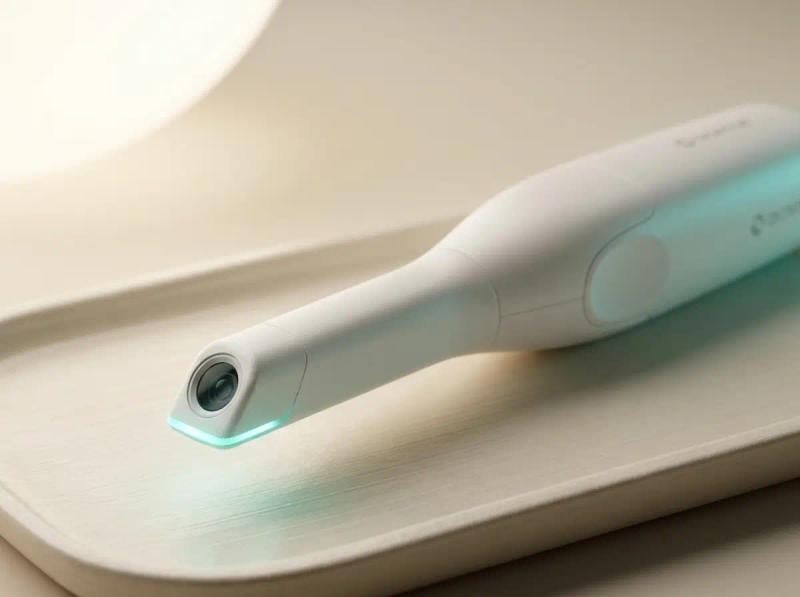
At Yonge & Dundas
The whole difference
A guard only works while it is in your mouth.
The argument for a custom guard is not that it is fancier. It is that it is fitted to the teeth it sits on, so it stays in without being clenched — and a guard that stays in is the only kind that is doing anything when the contact happens.
Both plates are schematic sections drawn to the same seven crowns. The guard outlines are computed from those crowns, not sketched — the gaps are what the geometry gives.
- How the shape is arrived at
- Over the counterA moulded blank, softened in boiling water and bitten into at the kitchen counter — one attempt, a few seconds long, in a mouth that is moving.
- Made hereAn impression or a digital scan of your own teeth, poured or milled into a model, with the guard formed on that model rather than on a guess.
- What holds it in place
- Over the counterContact at the high points, and the jaw staying shut. Relax and it drops; talk and it shifts.
- Made hereThe teeth themselves. It seats over the crowns and the relief between them, so the jaw can rest without the guard going anywhere.
- Talking, breathing, drinking
- Over the counterBulk where it is not needed and gaps where it is. This is why so many end up chewed, carried in a hand, or on the bench in a glove.
- Made hereTrimmed to the gumline on the model, so speech and breathing are workable and it can stay in between plays.
- When it stops fitting
- Over the counterRe-boil and bite again. Each reheat is another guess, on a blank that has already been distorted once.
- Made hereBring it to an exam. We look at the fit and the material, and remake it from a fresh scan when it is due.
The mechanism
What it does. Then what it doesn’t.
A mouthguard is one layer of material in one place. Written out it is a modest, useful thing, and modest and useful is all we are going to claim for it.
In section, with the guard in
That is the whole apparatus: one resilient layer over the upper arch, with the lower teeth closing onto it instead of onto enamel.
A layer between the arches
With the guard in, the upper and lower teeth meet resilient material rather than each other. A knock to the jaw arrives through that material instead of straight through enamel.
Something between teeth and lip
A blow to the mouth presses the lip and cheek against the edges of the teeth. The guard is what occupies that space, so the soft tissue meets a smooth surface.
Only while it is in
None of the above happens to a guard sitting in a bag. That is why fit is treated here as the mechanism rather than as a comfort upgrade.
Four limits, stated up front
What a mouthguard does not do.
This practice is regulated by the RCDSO, and a dental advertisement may not promise an outcome. That is the rule. Each of the four below is also, separately, just true.
- That it prevents injury.
- A guard that fits reduces the risk of damage to the teeth, lips and jaw. It does not make injury impossible, and no dentist can promise you that it will.
- That it prevents concussion.
- You will see this claimed for mouthguards. The evidence does not establish it, so we are not going to say it. What this appliance protects is the teeth and the jaw.
- That it replaces the rest of the kit.
- Where a sport calls for a helmet, a cage or a faceguard, a mouthguard is worn alongside it rather than instead of it.
- That we can judge the fit from here.
- Fit is a clinical judgement, made in the chair, on your teeth — or on a child’s, which change shape as they erupt. That judgement is the appointment.
What is left after all that is still worth the appointment — it is just worth it for the real reason.
What happens
From your teeth to the guard.
Nothing here is uncomfortable and nothing is irreversible. If you decide at the end of the first appointment that you would rather not, you have lost an appointment and nothing else.
The check
A guard is made over the mouth as it is, so the teeth and gums are looked at first and anything needing attention is dealt with before a model is taken. Braces change the answer, and so does a mouth still getting its adult teeth.
The model
A scan or an impression, then a dental laboratory makes the guard to it. That is the whole difference in how it holds: it grips the teeth rather than needing your jaw shut to stay in.
The fit
Checked seated, with you talking and breathing through it, because those are what decide whether a guard gets worn or ends up in the bag. Adjustments happen in the chair.
The re-check
Growing mouths outgrow guards, and a guard takes real punishment. Bring it to your cleanings; a guard that no longer seats is not protecting anything.
The case for it
Made in the same voice as the case against.
It stays where you put it
A guard made to a model of your own teeth seats on those teeth. One you have to clamp in place is out of your mouth the first time you call for the ball, and a guard out of your mouth is doing nothing.
Cheaper than the tooth
Rebuilding or replacing a knocked-out front tooth is longer, costlier dentistry than a guard is, and a tooth that has been rebuilt stays rebuilt for the rest of its life. Lowering that risk is the whole argument.
Lips and gums as well
Most of what a guard does is put a cushion between the teeth and the soft tissue that gets split against them. That is the bulk of what it is there for.
What it does not do
No mouthguard has been shown to prevent concussion, so one is not sold here on that basis. A head injury is a different problem, with different equipment and a doctor involved.
Upkeep
A guard is not bought once.
Five things worth looking at. None of them needs an appointment of its own — bring the guard to an appointment you already have booked and it gets looked at while you are in the chair.
In braces? Mention it when you book. A guard for a mouth with brackets in it is a different problem, and it is better raised before the appointment than during it.
Check before the seasonAny one of these — bring it in
It has been chewed at the back
Guards get chewed on the bench — it is almost universal. Once the material is thinned through, the layer you paid for is not there any more.
It only stays in if you bite down
A guard held by a clenched jaw comes out the moment the jaw relaxes, which is most of a game. That is the fit at fault rather than the player.
Teeth have come in, or come out, since it was made
Anyone still growing changes arch shape over a season. A guard fitted from last year’s scan can be the right guard for a mouth that no longer exists.
It has spent a summer in a kit bag or a car
The material is a thermoplastic. Left somewhere hot it can come back a slightly different shape, and a slightly different shape is a loose guard.
The edge has torn, or it has gone hard
Edges tear first, and material that has stiffened has stopped doing the one thing it is there to do. Both are visible in a few seconds.
What it costs
The number comes off your own teeth.
What a custom guard costs turns on the mouth it is made for: braces and a still-changing bite are both more work, so there is no single figure to publish here. The number comes out of the exam in writing, with your coverage checked at the same time.
Most of this site publishes its prices, and the care index is where they live. Where a figure is not settled it is left out rather than estimated — a wrong number here would be worse than an absent one.
- Sports guard
- Quoted at the exam
- Insurance
- Checked before anything is made
- In writing
- Before the model is taken
Insurance is checked before treatment either way, so you know what is left to pay before you agree to anything.
Proof
Patients, verbatim.
“Incredibly knowledgeable, friendly, and they do what they can to make your visit as comfortable as possible. The utmost professionalism no matter the situation.”
“My favourite place! The dental hygienist, reception and Dr are all amazing. Dr. Lana is fantastic and really cares about all her patients.”
Before the season
Questions about mouthguards
Does a mouthguard prevent concussion?
No. There is no good evidence that any mouthguard prevents concussion, and this clinic will not sell one on that basis. A sports guard is offered here for teeth, lips and gums, which is what it can be defended for.
How much is a custom sports guard?
No figure is published yet. It is quoted at the exam, in writing, before a model is taken, and your coverage is checked at the same time.
Why not just use a boil-and-bite guard from a sports shop?
You can, and a guard you actually wear is worth more than a better one left in a kit bag. The difference is how it holds: a custom guard is made to a model of your own teeth and seats on them, where a moulded one generally needs the jaw held shut to stay put. The exam explains that trade rather than talking you out of the cheaper option.
Can my child wear one over braces?
Yes, and tell the clinic about the braces before a model is taken. Brackets give a lip something to be cut against, so a guard matters more during treatment. A guard made over fixed appliances is made differently, and it will need remaking as the teeth move.
Can I use my night guard for sport instead?
No. The two appliances are built for different forces. A night guard is made for the slow, heavy load of clenching; a sports guard is made to absorb an impact. Neither substitutes for the other.
How long does a sports guard last?
There is no guaranteed lifespan. Children outgrow them as adult teeth come in, and any guard that has taken hits will eventually stop seating properly. Bring it to your cleanings so it can be checked while you still have a season to use it in.
Will insurance cover it?
Sometimes, and often only partly. The desk checks your plan and tells you what applies before the guard is made.
Book a visit
Book the fitting before the season starts.
The scan takes minutes, and the number is in writing before anything is made.